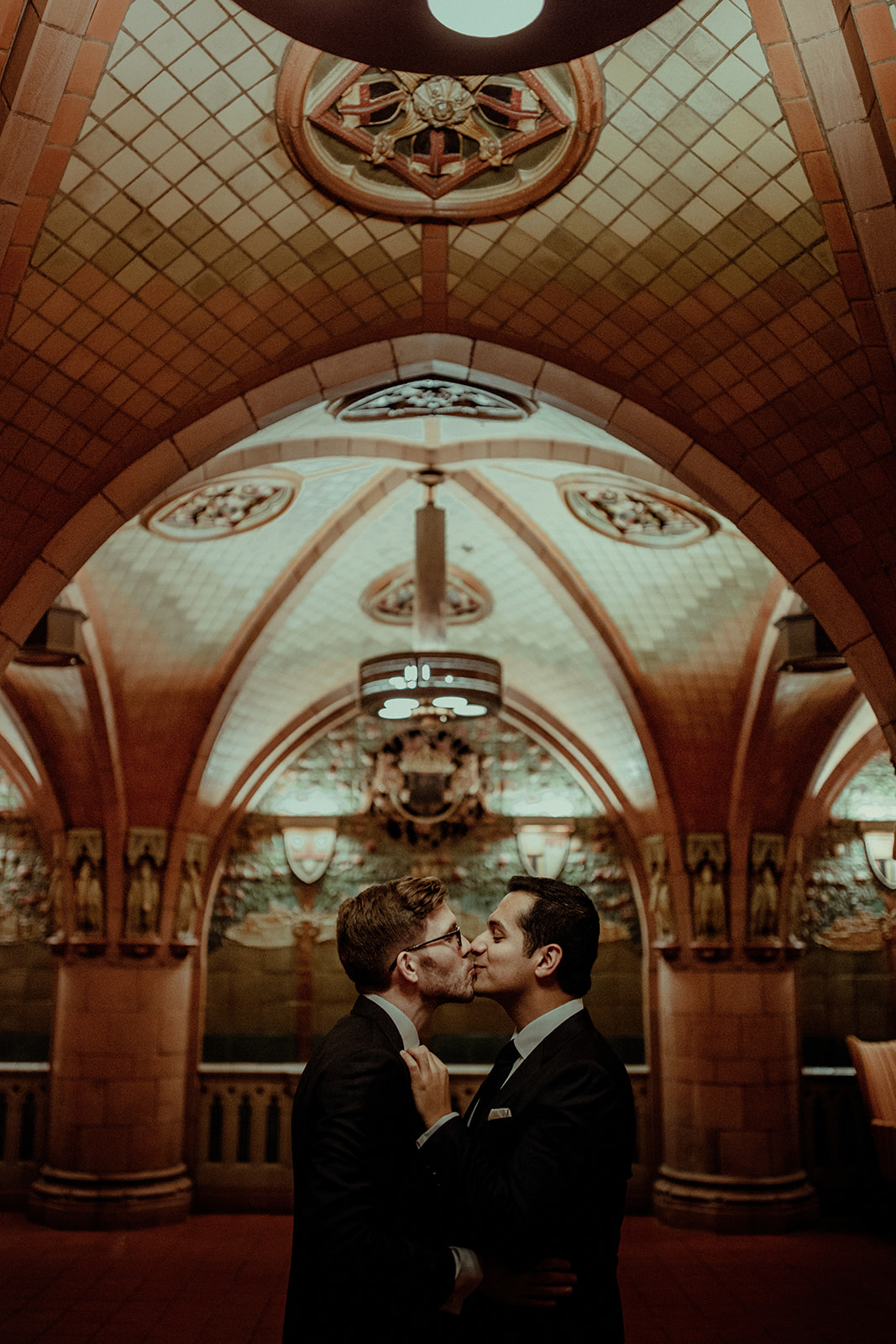
Kentucky is home in a way that’s hard to explain unless you’ve lived it. I grew up here, learned how to see light here, and built my career surrounded by rolling fields, historic architecture, and slow, meaningful seasons. For years, travel shaped my work. Now, becoming a mother has gently shifted my center of gravity. I feel called to stay closer, to move more intentionally, and to create where my roots are.
There’s a quiet richness to Kentucky that reveals itself when you linger. I’m excited to photograph here again—not because it’s convenient, but because it’s layered, soulful, and deeply familiar. This season of life asks for less distance and more presence. I want to travel less (but still travel) and be home at night with my family. It’s time to spotlight the beauty Kentucky has to offer.
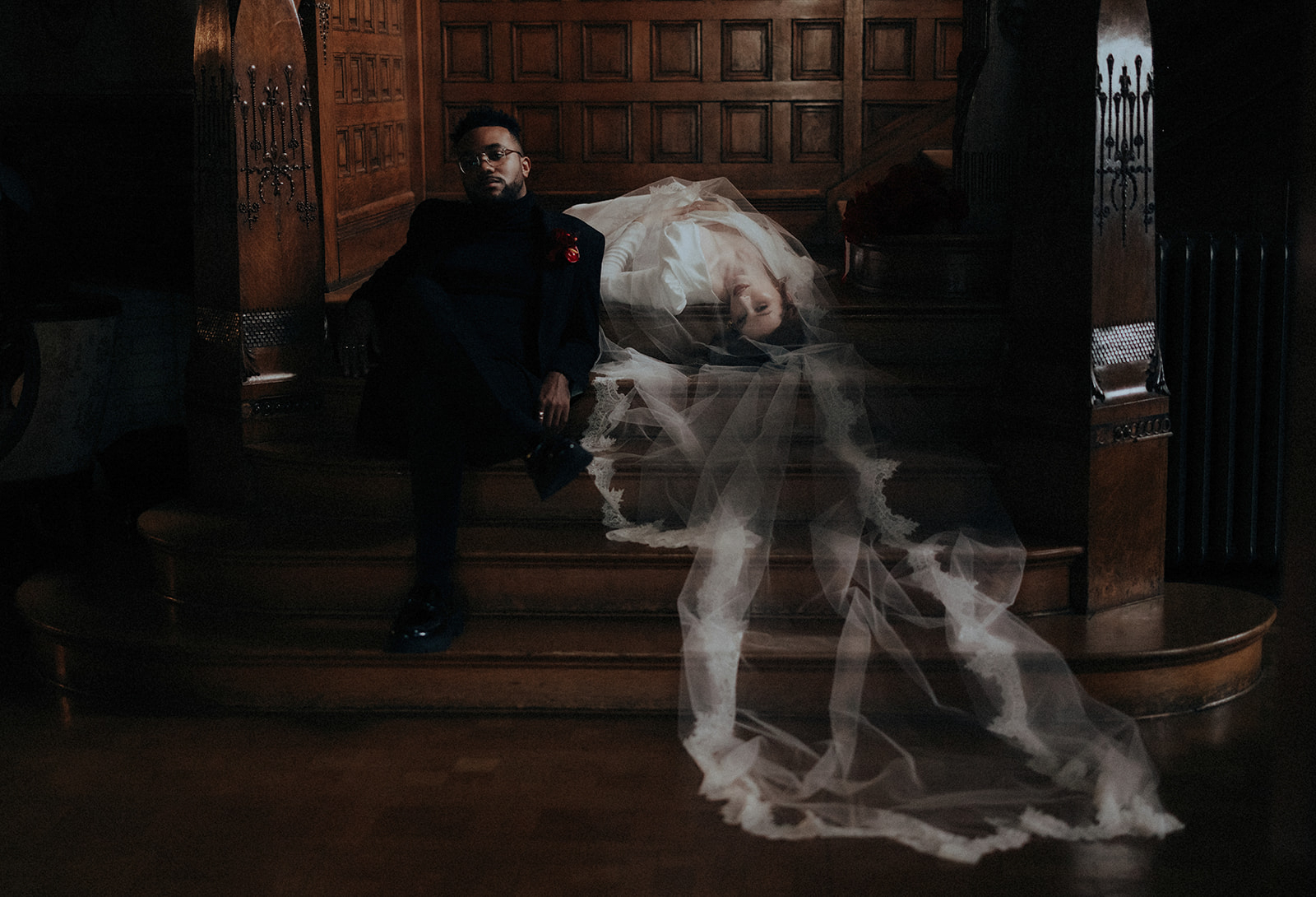
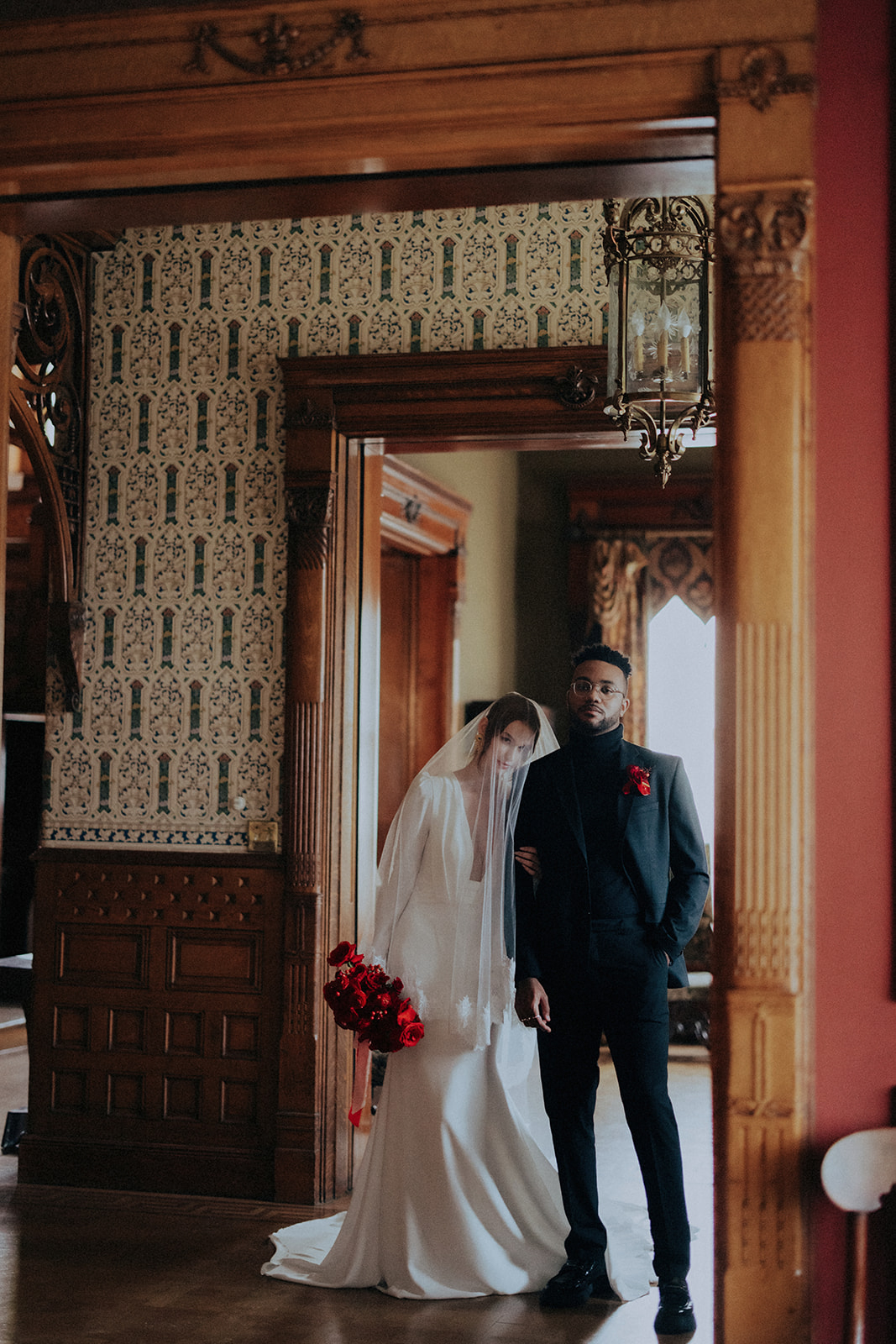
Conrad Caldwell House in Louisville, KY
Built in 1895, the Conrad-Caldwell House stands as one of the grandest examples of Richardsonian Romanesque architecture in the country. Commissioned by entrepreneur Theophilus Conrad and later owned by the Caldwell family, the home was designed to impress—thick stone walls, arched doorways, intricate woodwork, and stained glass that catches the light like a memory.
Set within Old Louisville, an area known for the largest collection of Victorian homes in the United States, the house reflects a time when craftsmanship was deliberate and permanence mattered. Today, its preserved interiors and historic presence offer a sense of quiet grandeur. It’s a place where history feels lived-in, not staged—making it an extraordinary setting for weddings rooted in elegance, story, and timeless design.
See a wedding inspiration shoot, here.
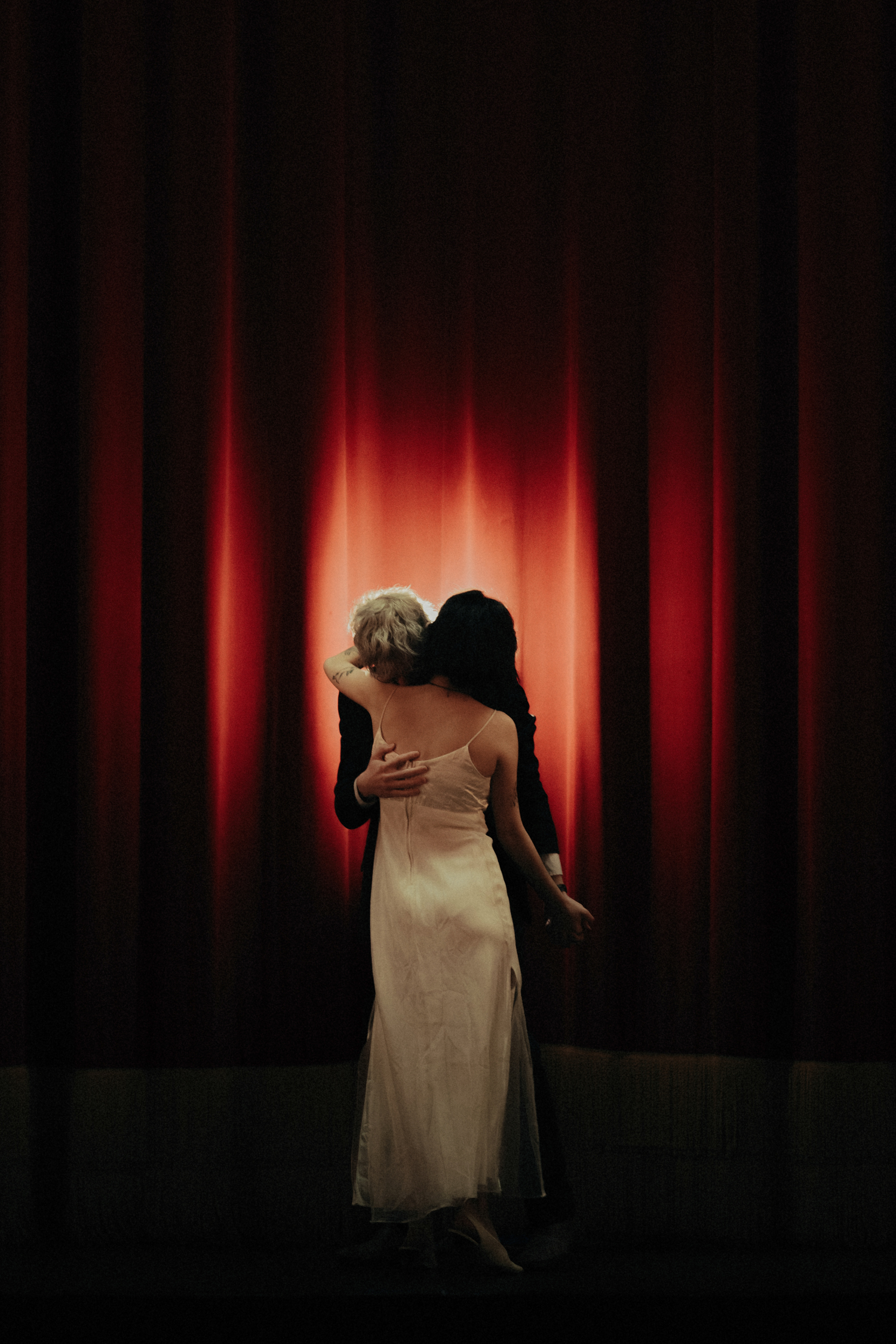
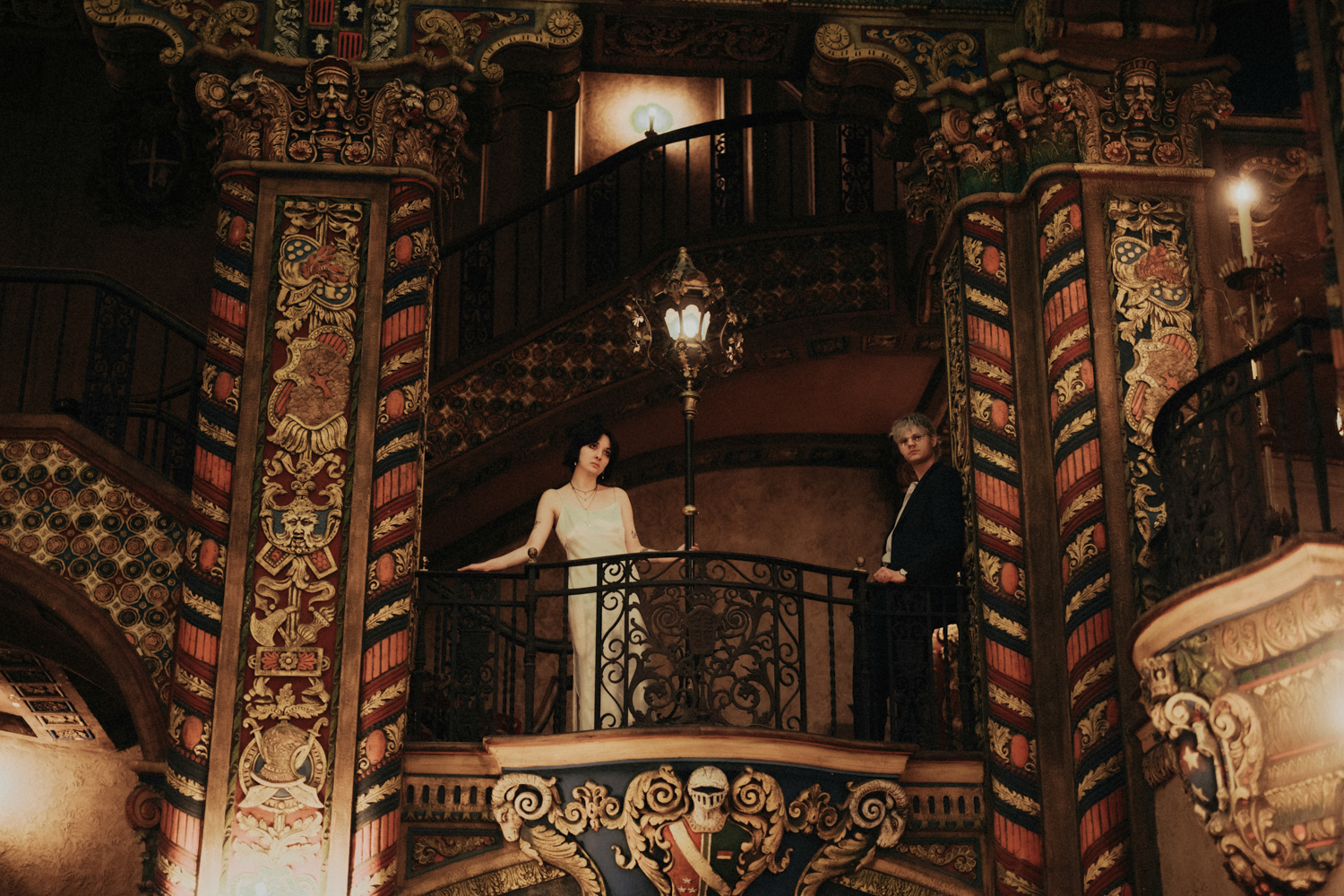
Louisville Palace in Louisville, KY
*I am DYING to photograph a wedding here*
Opened in 1928, the Louisville Palace was designed to feel like an escape. Modeled after a Spanish Baroque courtyard, the theater features ornate arches, painted ceilings meant to resemble an open night sky, and rich detailing that blurs the line between fantasy and architecture. At the height of the movie palace era, it was a place where everyday life paused and spectacle took over.
Over the decades, the Louisville Palace has hosted film premieres, Broadway tours, concerts, and cultural milestones, becoming one of the city’s most iconic landmarks. Its dramatic scale and preserved opulence still carry that original sense of wonder. Today, the space feels cinematic and alive—an enduring reminder of a time when beauty, drama, and shared experience were central to how spaces were built.
See a session at the Louisville Palace, here.
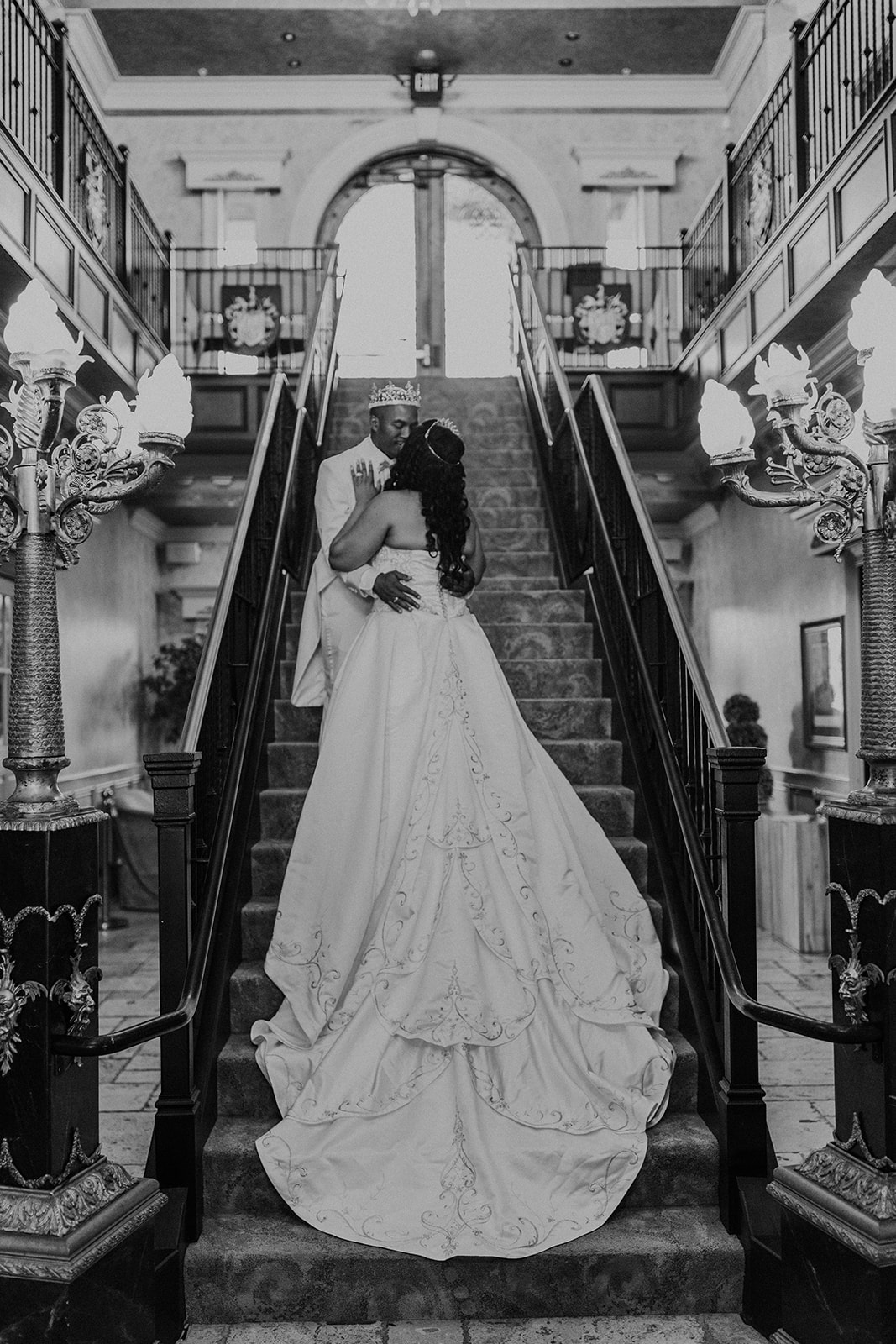
The Kentucky Castle in Versailles KY
Built in the late 1960s as a private residence, the The Kentucky Castle feels intentionally out of place—in the best way. Rising from the rolling Bluegrass landscape, its stone towers and turrets were inspired by European castles, designed to bring old-world romance to the heart of Kentucky horse country. What began as a personal vision slowly evolved into one of the state’s most recognizable landmarks.
Over time, the castle transformed into a boutique hotel and event space, inviting guests to step into a setting that feels both grand and unexpected. Surrounded by countryside views and formal gardens, it balances fantasy with place. Today, the Kentucky Castle stands as a reminder that history doesn’t always come from centuries past—sometimes it’s created through imagination, intention, and a desire to build something enduring.
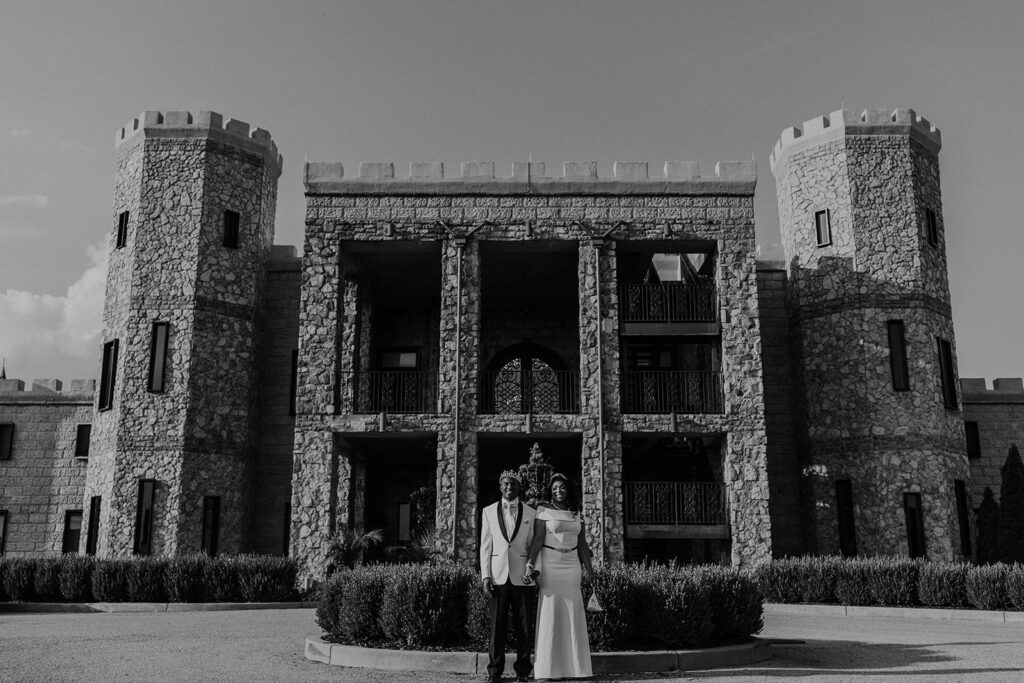
Pine Mountain Settlement School in Bledsoe, KY
Founded in 1913, the Pine Mountain Settlement School was established as part of the Appalachian settlement school movement, with a mission rooted in education, self-sufficiency, and cultural preservation. Set deep in the mountains of southeastern Kentucky, the campus was intentionally built using local stone and timber, blending into the surrounding landscape rather than imposing upon it. From the beginning, the school emphasized craftsmanship, agriculture, and respect for Appalachian traditions alongside academic learning.
Over the decades, Pine Mountain became a center for environmental stewardship and community life, evolving while remaining deeply connected to its original values. Today, the preserved buildings and quiet mountain setting carry a sense of purpose and continuity. The land feels thoughtful and grounded—a place shaped by care, resilience, and a belief in building something meaningful for future generations.
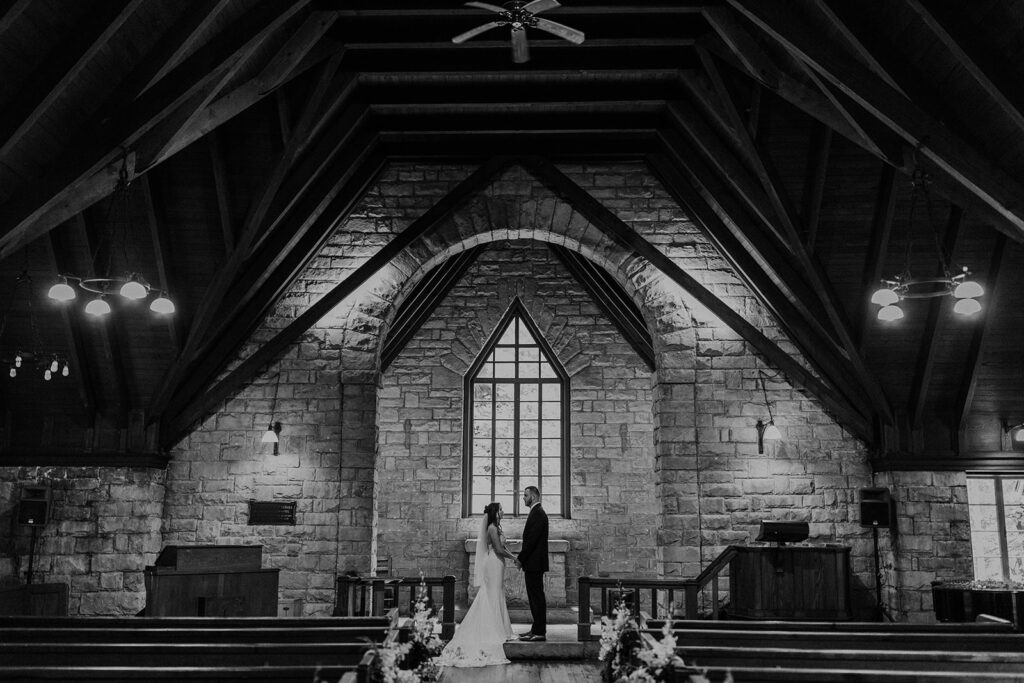
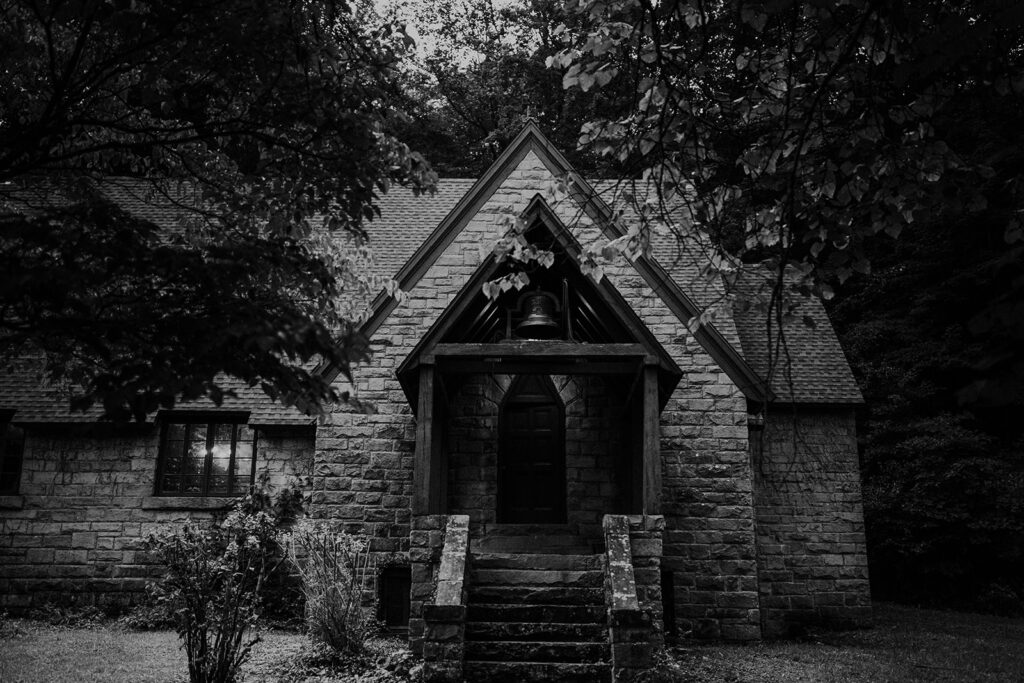
Spindletop Hall in Lexington Kentucky
Built in 1937, Spindletop Hall was designed as a tribute to Kentucky’s horse heritage and the wealth of the early oil era. Modeled after classic European manor homes, the estate was commissioned by Fayette Hewitt, whose fortune traced back to the Spindletop oil discovery in Texas. Limestone walls, formal gardens, and refined interiors reflect a period when grandeur was expressed through symmetry, craftsmanship, and restraint.
Today, Spindletop Hall stands as a quiet symbol of Lexington’s layered history—where industry, agriculture, and elegance intersect. Set against rolling Bluegrass fields, the property feels stately yet grounded, offering a sense of permanence that mirrors the traditions of the region. It’s a place where history feels composed rather than preserved, carrying forward the timeless rhythm of Kentucky life.
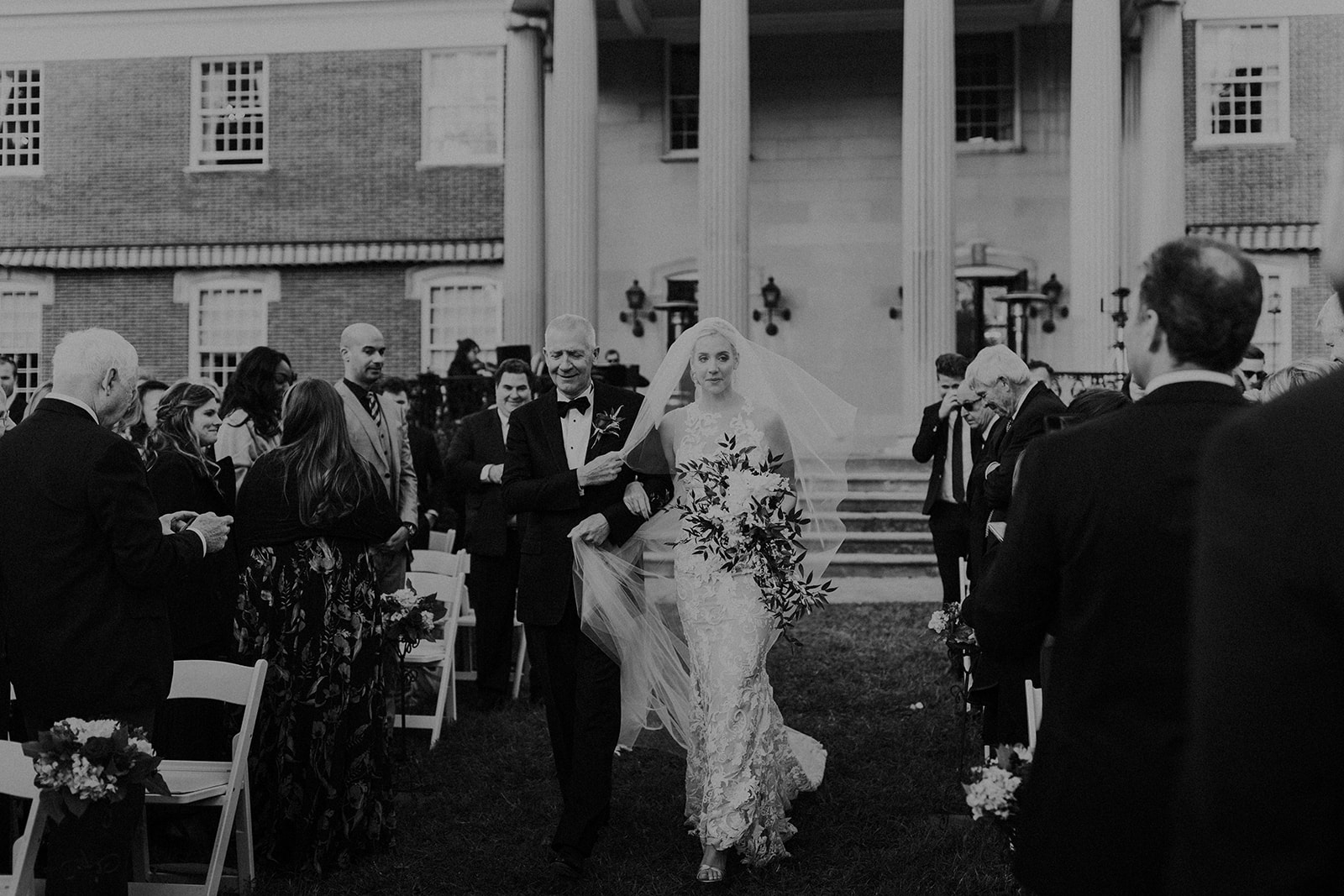
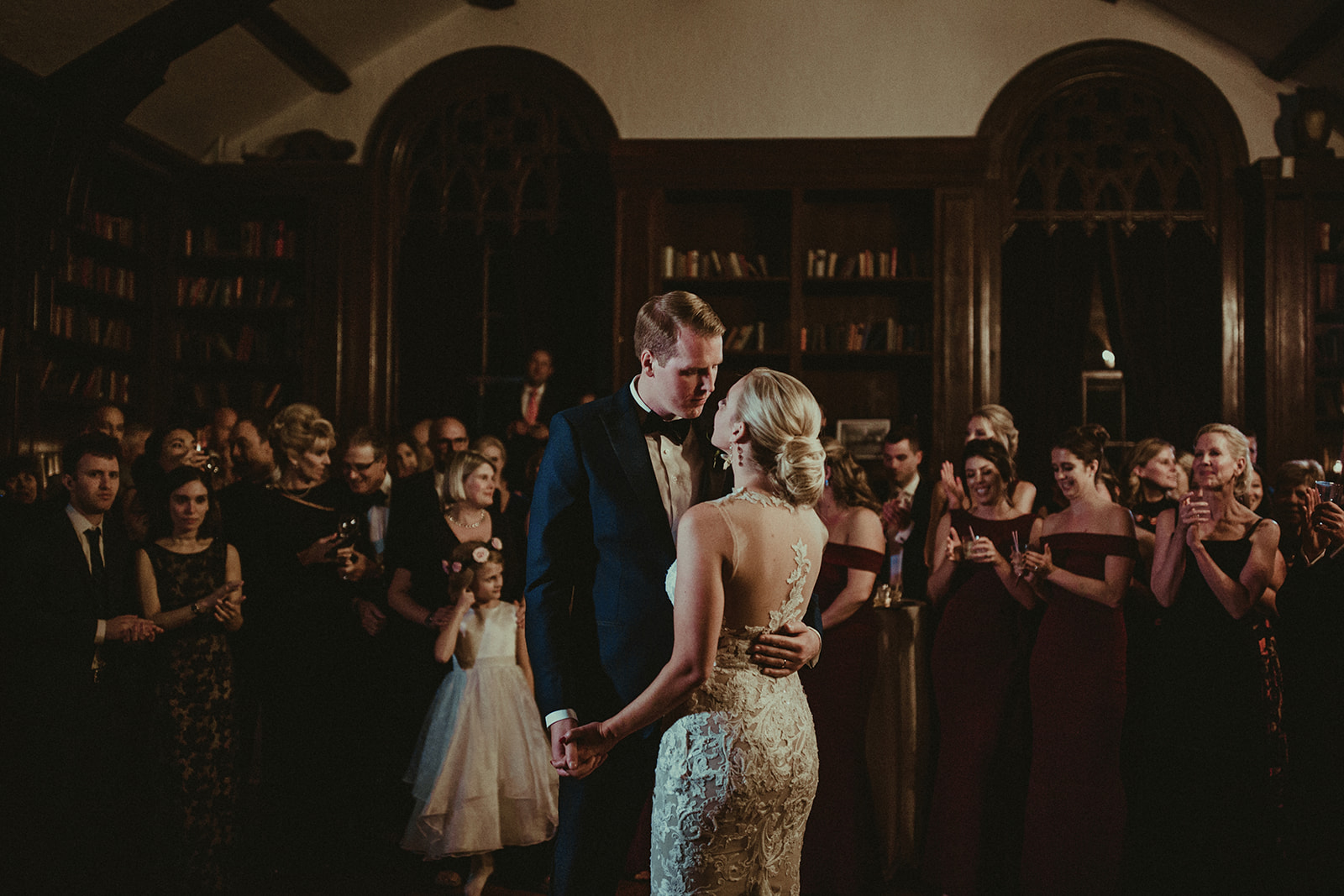
Waterfront Botanical Gardens in Louisville KY
Opened to the public in 2019, the Waterfront Botanical Gardens represents a new chapter in Louisville’s relationship with land, renewal, and design. Built on a former industrial brownfield along Beargrass Creek, the gardens were envisioned as a place of restoration—both ecological and communal. Native plantings, sustainable architecture, and thoughtfully designed pathways transformed once-neglected ground into a living landscape rooted in care and intention.
While young compared to Kentucky’s historic estates, the Waterfront Botanical Gardens are deeply connected to the city’s past. They reflect Louisville’s ongoing evolution, honoring the land by healing it. Today, the gardens feel modern yet grounded—a place where growth, resilience, and beauty quietly unfold side by side.
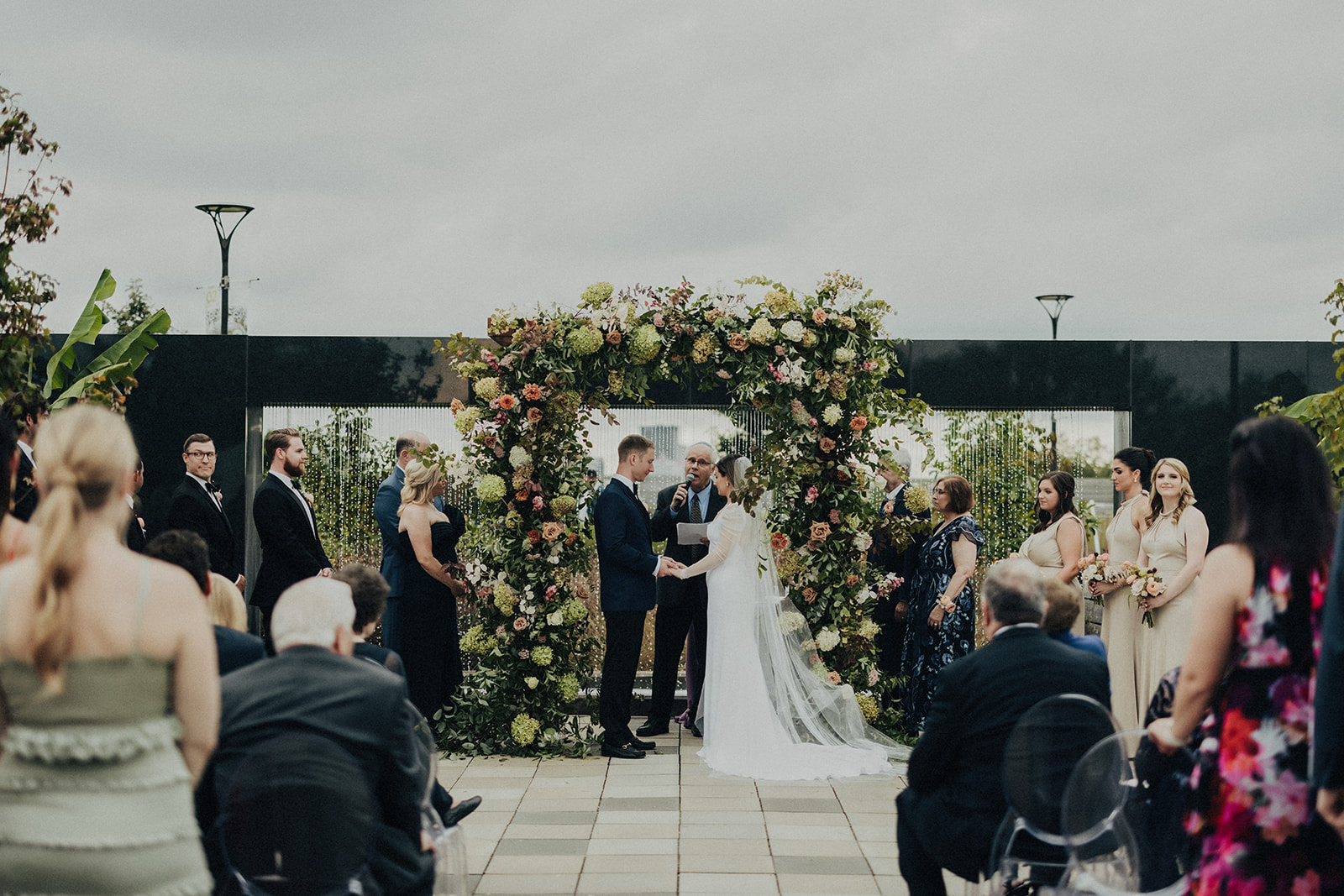
Stonehouse of Silver Creek in Richmond KY
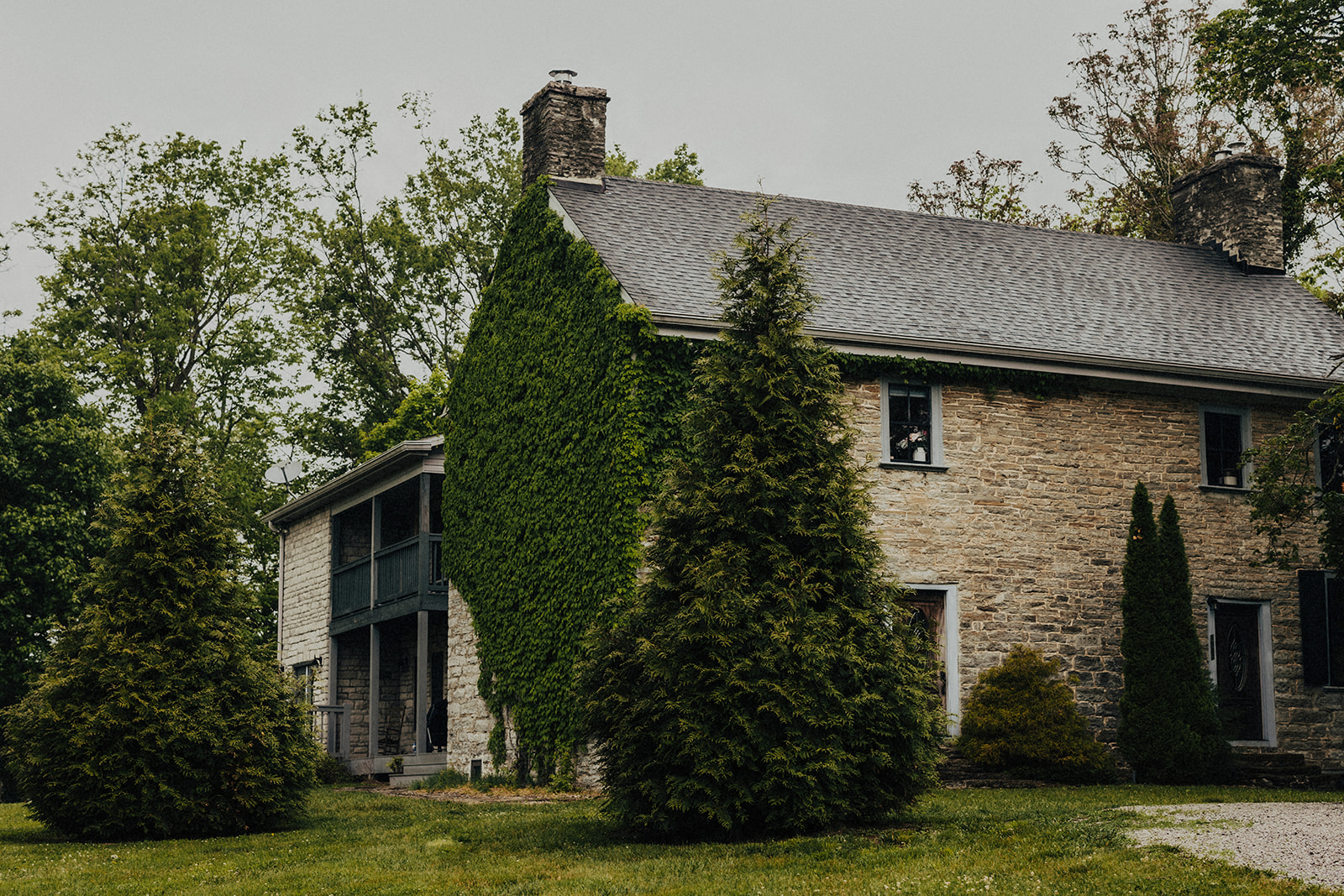
Built in the late 1700s, The Stone House at Silver Creek feels anchored to the land it stands on. Its limestone walls were shaped by hand, meant to last, carrying the quiet permanence of Kentucky’s earliest settlements. Time moves differently here. The house has watched centuries pass—weather, work, and life etched gently into its surface.
Today, the Stone House remains grounded and unhurried. Restored with care, it holds space for modern gatherings without losing its original gravity. There’s a softness to its age, a sense that beauty doesn’t rush. It’s not a backdrop built for spectacle, but a place shaped by endurance—where history lingers in the light, the stone, and the stillness between moments.
Seelbach Hotel in Downtown Louisville KY
Opened in 1905, the Seelbach Hilton Louisville was built as a symbol of ambition, elegance, and permanence. Designed in the Beaux-Arts style, the hotel quickly became a gathering place for presidents, performers, and tastemakers traveling through the Ohio River Valley. Its marble staircases, gilded ballrooms, and soaring ceilings reflected a moment when Louisville positioned itself as a cultural crossroads rather than a stop along the way.
The Seelbach carries stories effortlessly. It’s famously tied to F. Scott Fitzgerald, who drew inspiration from its grandeur while writing The Great Gatsby, and it has hosted political galas, society weddings, and historic celebrations for more than a century. Today, the hotel feels rich with memory—cinematic, storied, and unapologetically opulent. It remains a place where history doesn’t whisper. It lingers.